Wijn.org_Dageditie
Artikel van de dag
De Champagneoogst uit eerste hand, deel 2
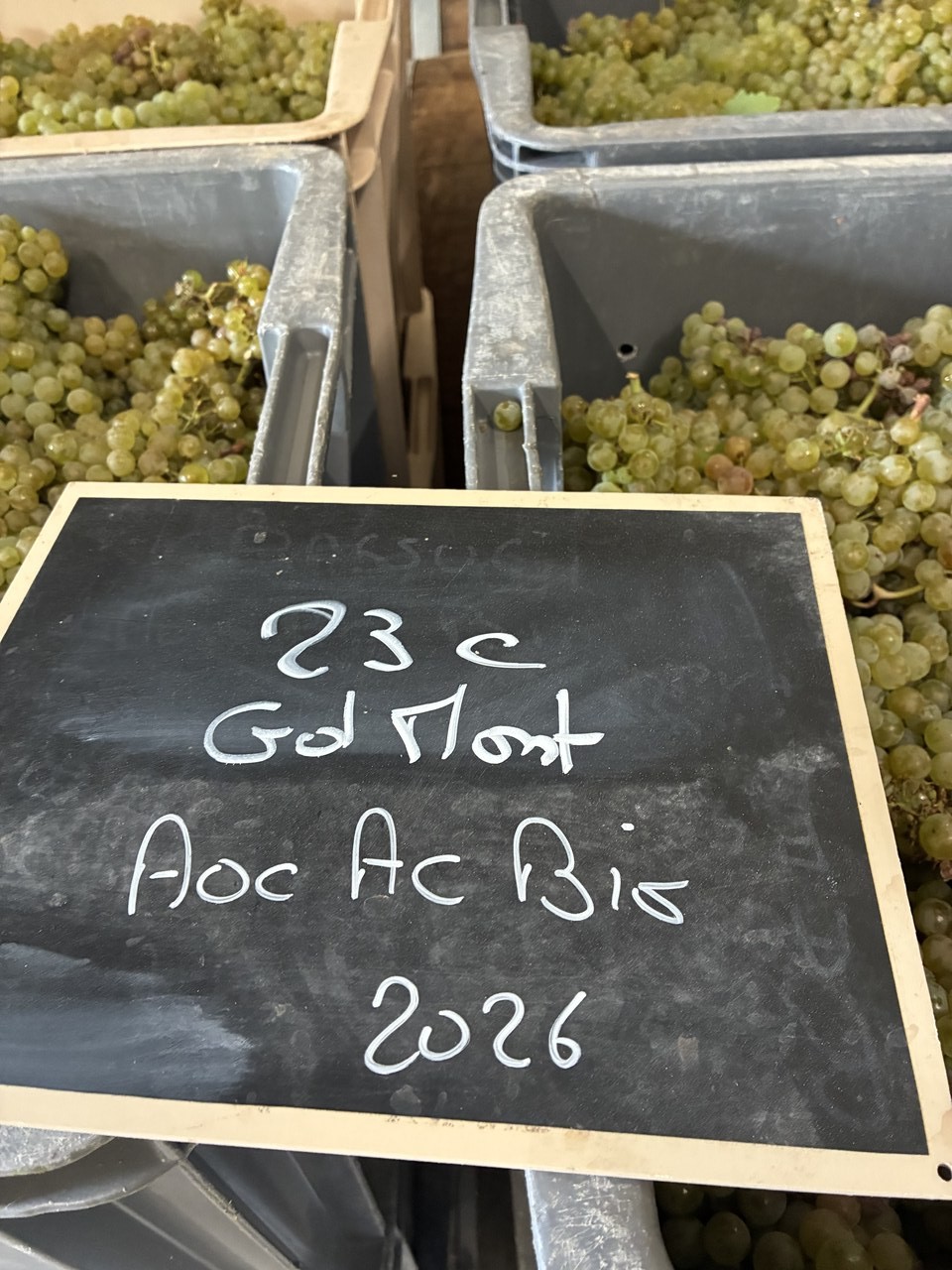
Iedereen in het stuk is minstens biologisch gecertificeerd. Acht procent van het Champagne-areaal is biologisch of in omschakeling, tegenover twintig procent landelijk in Frankrijk. Biodynamische preparaten hielpen in de droge oogst 2026, en stokken op klei bij Fleury, Piolot en Drappier verwelkten niet zoals het CIVC waarschuwde.
Gelezen
- Vivan Co-op, bio en natuurwijn zonder tussenhandel Vivan in Europa laat kleine bio, biodynamische en natuurwijnhuizen direct aan drinkers verkopen. Gregory Kinsman-Chauvet legt uit hoe de tussenhandel uit de prijs valt.
- Crémant de Luxembourg bij Domaine Kox Corinne Kox in Remich toont zeven Crémants en drie stille wijnen op Muschelkalk. Auxerrois, Riesling en Elbling, plus kvevri, PIWI en vitiforestry.
- Nederland, België en Denemarken als nieuwe wijnregio's Kees van Leeuwen en collega's noemen die landen bij opwarming. Bij twee graden wordt aanpassen in Zuid-Europa veel lastiger. Nature Reviews Earth and Environment.
Verder gelezen
- Ribeiro is meer dan Treixadura Miguel Crunia vindt dat de raad van Ribeiro de streek niet tot één ras mag versmallen. De identiteit zit in minifundia en gemengde witte en rode rassen.
- Spanna en vrienden in Alto Piemonte In Gattinara is Spanna de lokale naam voor Nebbiolo. Vespolina, Uva Rara en Croatina horen historisch in de blend, maar solo-Nebbiolo wint.
- Central Otago, klein naast Marlborough Circa 2000 hectare, vooral Pinot Noir. Rolfe Mills plantte commerciële stokken in 1982. Jamie Goode noemt onder meer Rippon, Felton Road en Burn Cottage.
Article of the day
The Champagne harvest from the horse's mouth - part 2
Everyone in the piece is at least organically certified. Eight percent of the Champagne area is organic or in conversion, against twenty percent nationwide in France. Biodynamic preparations helped in the dry 2026 harvest, and vines on clay at Fleury, Piolot and Drappier did not wilt as CIVC had warned.
Read
- Vivan Co-op, organic and natural wine without the middleman Vivan in Europe lets small organic, biodynamic and natural wine houses sell directly to drinkers. Gregory Kinsman-Chauvet explains how the middleman drops out of the price.
- Crémant de Luxembourg at Domaine Kox Corinne Kox in Remich shows seven Crémants and three still wines on Muschelkalk. Auxerrois, Riesling and Elbling, plus kvevri, PIWI and vitiforestry.
- the Netherlands, Belgium and Denmark as new wine regions Kees van Leeuwen and colleagues name those countries under warming. Above two degrees, adapting in southern Europe becomes much harder. Nature Reviews Earth and Environment.
Further reading
- Ribeiro is more than Treixadura Miguel Crunia argues the Ribeiro council should not shrink the area to one grape. Identity sits in minifundia and mixed white and red varieties.
- Spanna and friends in Alto Piemonte In Gattinara, Spanna is the local name for Nebbiolo. Vespolina, Uva Rara and Croatina belong historically in the blend, but solo Nebbiolo is winning.
- Central Otago, small beside Marlborough About 2000 hectares, mostly Pinot Noir. Rolfe Mills planted commercial vines in 1982. Jamie Goode names Rippon, Felton Road and Burn Cottage among others.